
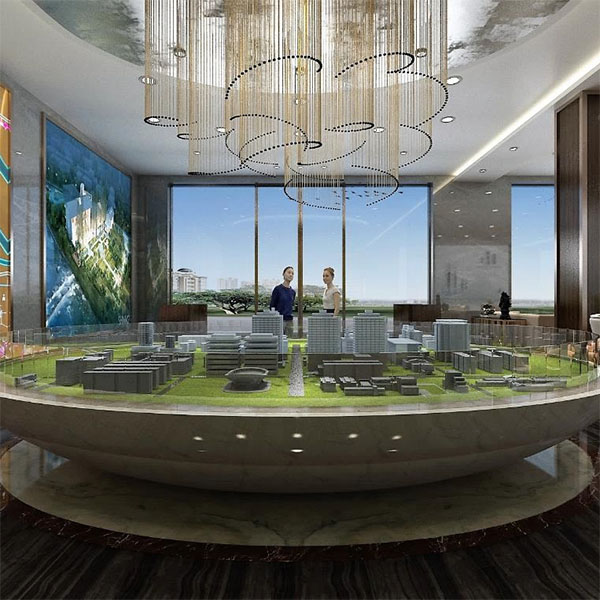
To give you some background, I built and managed the team that created a super immersive live online experience that extended the Rodan + Fields (R+F) onsite Las Vegas event by giving Users behind the scenes glimpses, exclusive access, and unique content for their six-day event. Their platform has a sharp focus on live access and exclusive content. The R+F platform was extremely popular for this D2C brand, it gave consultants exclusive access to product launches, collateral, media packages, links to purchase in the moment, and most importantly each other. Needless to say #RFVirtual took off.

Years later, when COVID descended on us the digital production agency I was with were all struggling to figure out how to pivot -like the rest of us. Enter the metaverse, and web 3.0. We immediately got to work architecting a SaaS platform using best-in-class partners and solutions to provide a standard responsive browser experience with no plugins or additional extensions that allows a Visitor to navigate through a real-time (*think like a video game experience or virtual reality) environment with a full look around functionality in your browser, on any device.
Since this was a platform product, customers had the ability to enable/disable features based on the experience that was developed and the underlying business goals. For example, a pharmaceutical medical affairs group may want to enable a secure 1:1 FaceTime style live chat to give Users exclusive access to MSL chat, whereas a client like Whirlpool opted for an array are large format opening meetings to connect with N.A. retailers in a casual business setting.
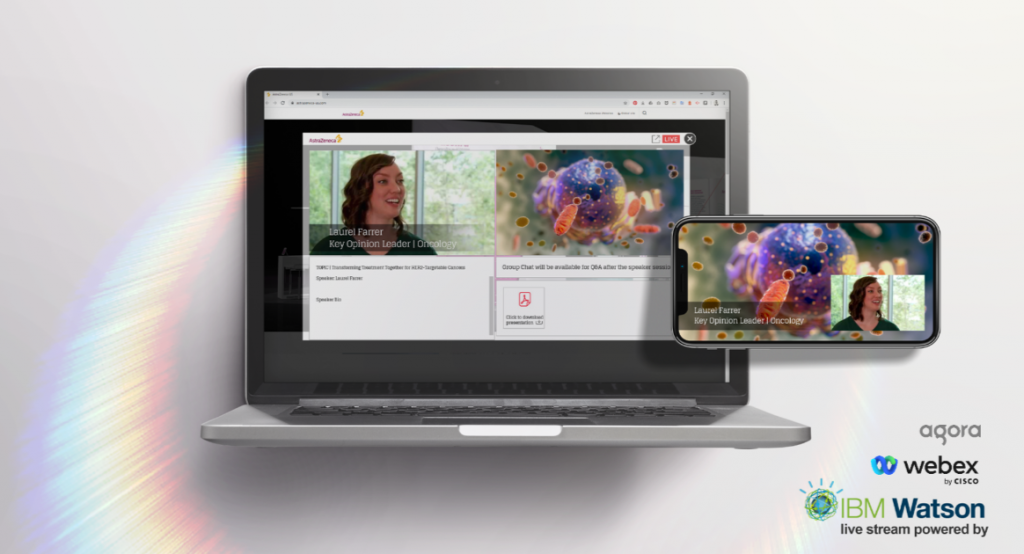
In most cases we supported traditional menu-driven navigation understanding some Users would stick to the norm from a UI point of view. Both spatial and traditional UI mapped back to the same points of interest (POIs) so the reporting is very clean.
Ultimately, these platforms were used to service clients like AstraZeneca, Whirlpool, Cummins and many others. These sites provided live demos, virtual townhalls, demos, simulcasts and real connections for tens of thousands of folks around the world when it was most needed. As you can imagine these immersive sites are very attractive and provide a novelty user experience that is reflected in the extremely low bounce rate, and high dwell times. Each User literally clicks on every section, encouraging high engagement and ROI.
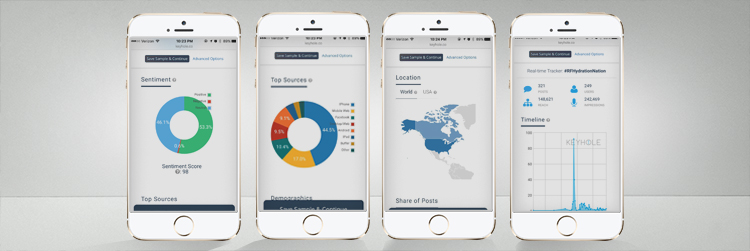
The results
The success of these platforms (*I ended up creating a few prototypes for different agencies using different tech stacks and UX/UI solutions) was based on an easy and intuitive user experience that relied on a clear spatial UI that maps back to an evergreen directory structure that allows customers to dial in their navigation based on their business goals. All of this is supported by an easy-to-use content management system (CMS) that supports on-the-fly updates of content, live streaming, and simulcast and robust metrics and reporting. From a SaaS product point of view we developed it as a modular widget based system so if a customer didn’t want an immersive 3D experience we simply toggled that feature off. This widget-based approach allowed us to do multiple deployments in a short amount of time.
Below is a simple but attractive example of the 3D browser-based experience on this SaaS event platform. You will notice there is a 1:1 mapping of the spatial UI (POIs) and the traditional menu-driven navigation. During a scheduled live event you can click on the woman greeter and be connected with a live person to answer all of your questions. The video wall to the right connects you via QR code to a separate interactive MR activation which allows you to interact directly with the pathway scene on a another phone or device. With a registration page as part of the front door to the experience (*which most of these had) the advanced reporting is spectacular since we captured virtual dwell times and virtual heatmapping based on what the user was looking at throughout the experience.